


מתכונית - מתכונים מבלוגים
0.00.00 Reviews
App Specs
- Version
- 1.9.4
- Updated On
- License
- Free
- Downloads
- 10,000+
- Developer
- Chewed Carrot
- Categories
- Food & Drink
- Platform
- Android
Screenshots

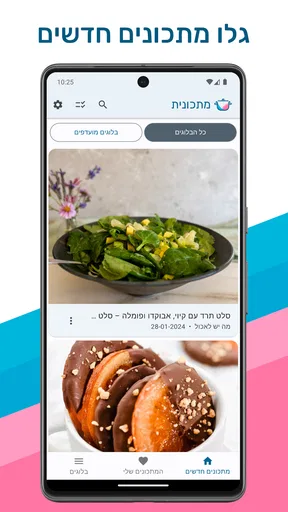
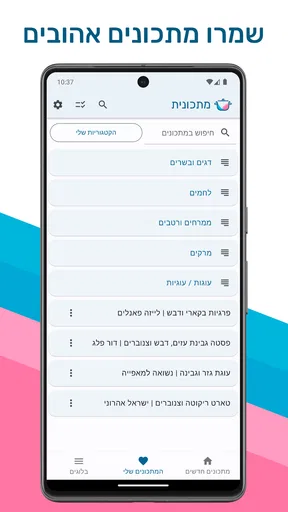
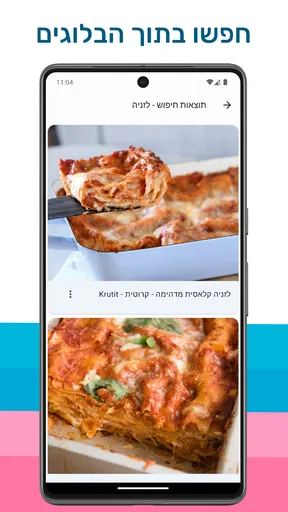
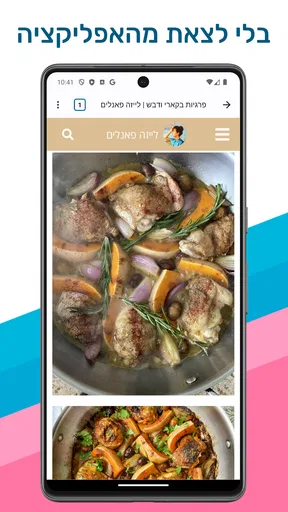

 Analysis by AppCompare
I tend to judge recipe apps less by how attractive they feel on the first evening and more by whether I still open them when I am tired, hungry, and missing one ingredient. מתכונית - מתכונים מבלוגים makes a promising first impression because it brings recipes from favorite blogs into one food-and-drink app instead of making me remember which website had the dish I wanted. In my experience, that basic idea is useful immediately: it turns scattered browsing into a single place to explore.
The app is free to download, is aimed at everyone, and comes from Chewed Carrot. Its Hebrew store summary describes a collection of recipes from beloved blogs in one place, while the short store description is simply “מתכונית.” That positioning matters. This is not trying to replace a full meal-planning service or act like a professional kitchen tool. I see it more as a focused reading and discovery companion for people who enjoy blog-style recipes and want less hunting around.
How מתכונית - מתכונים מבלוגים Holds Up Beyond the First Week
After the first week, I’d judge מתכונית less by how many recipes catch my eye and more by whether it helps me make a confident choice on an ordinary day. I’d pay attention to which kinds of blog recipes fit my schedule, ingredients, and comfort in the kitchen, then use that pattern to browse with more purpose. That longer-term test also brings up a useful question: how well does the app suit different ways of reading and cooking?
The first-week appeal is simple and practical
During the first few days, the strongest benefit is convenience. Recipe blogs can be excellent, but they are often spread across different sites, with different layouts and different ways of organizing content. Moving between them on a phone can feel like a small chore before cooking has even started. מתכונית gives that browsing habit a common home, which makes the process feel more deliberate.
I found the concept particularly appealing when I was not looking for one exact recipe. If I already know I want a specific soup, I can use a search engine and probably find several options. The app makes more sense when I want inspiration: something suitable for a quiet weekend, a familiar side dish with a small twist, or a dessert that catches my attention while I am scrolling. That distinction is important because its lasting usefulness depends more on discovery than on replacing every cooking reference tool.
The first-week experience also benefits from a low commitment. There is no purchase price to get started, and the content rating is Everyone, so it feels approachable for a household with different ages and levels of cooking experience. A beginner can browse for approachable ideas, while a more confident cook can use the collection as a prompt rather than follow every instruction exactly.
My practical advice is to avoid treating the app like a menu you must consume from beginning to end. Instead, use the first session to identify the kinds of recipes that genuinely fit your routine. If you usually cook quickly after work, notice which recipes have manageable preparation. If you cook for guests, pay attention to dishes that can be prepared ahead. This turns casual scrolling into a useful test of whether the app belongs in your regular rotation.
Worth Reading Before You Choose

Flipboard Shows What News Apps Must Do Beyond the Feed

Switching to Android Auto Means Rethinking Your Driving Routine

Google Calendar Makes a Crowded Week Easier to Manage

Ludo King Makes the Most of the Minutes Between Plans

Baby Panda World Brings Quick Play to Modern Phones, but Its Game Library Feels Busy

ESPN’s Live Game View Makes Following Close Games Easier
What it is like to cook from a blog-centered collection
Blog recipes have a different personality from tightly edited cookbook recipes. They often provide context, substitutions, personal notes, and serving ideas that can make a dish easier to understand. That can be a real advantage when I am unsure why a particular step matters. On the other hand, blog-based cooking can also mean more reading, more variation in presentation, and less consistency from one recipe to the next.
That inconsistency is not automatically a flaw, but it changes how I use the app. I would not open it expecting every recipe to follow the same structure or offer identical levels of detail. I read the recipe once before starting, check the ingredient list against what I have at home, and only then begin cooking. This small habit prevents the common frustration of discovering halfway through that a preparation step or ingredient was easy to overlook.
For a realistic weekday scenario, imagine arriving home with vegetables that need using and no fixed dinner plan. I would open the app while making tea, browse for a dish that matches those ingredients, and compare the preparation effort with the time available. If the recipe looks more involved than expected, I would keep browsing rather than force it into the evening. The app works well in that moment because it supplies ideas without requiring me to plan an entire week in advance.
Why the novelty can last for a month
The month-to-month value depends on variety and on whether the app becomes part of a repeatable cooking ritual. I can see it working well for someone who chooses a new recipe every weekend, cooks for a family with changing preferences, or wants a dependable source of ideas without maintaining a long list of separate blog bookmarks.
Its biggest recurring strength is the reduction of search friction. I do not have to remember the name of a blog, reconstruct an old browser tab, or search through unrelated results every time I want inspiration. That sounds minor, but small reductions in effort are often what determine whether I cook something new or fall back on the same familiar meal.
There is also value in using the app as a personal filter. Rather than saving every appealing dish, I would keep a short mental shortlist of recipes that match my real habits: meals that use ordinary supermarket ingredients, dishes that keep well, and recipes that can be adjusted for the people I cook for. The collection becomes more useful when I stop measuring it by how many ideas it contains and start judging it by how many ideas I can realistically make.
One non-obvious trade-off is that a broad recipe collection can increase decision fatigue. More choice is helpful only until choosing dinner takes longer than preparing it. I handle that by setting a limit before browsing: one category, one main ingredient, or a maximum amount of preparation time. Even when the app does not make that decision for me, creating the boundary myself keeps the discovery experience from becoming endless scrolling.
How to make it part of a recurring routine
If I wanted to give the app a fair long-term test, I would use a simple weekly workflow. At the start of the week, I would browse only long enough to select one recipe that fits my schedule. Before shopping, I would read the full ingredient list and mark anything that needs a substitute. On cooking day, I would keep the recipe available but avoid repeatedly switching between unrelated pages. Afterward, I would remember whether the dish was worth making again rather than saving it automatically.
This approach exposes the app’s real value quickly. A recipe that looks appealing but requires an unusual ingredient, several separate preparations, or equipment I rarely use may not deserve a place in my routine. Conversely, a modest recipe that works with what I already buy can become a reliable favorite. The app is most useful when it helps me discover those repeatable winners.
For households, I would also use it as a conversation starter rather than a strict authority. One person can choose the general direction, another can check whether the ingredients are available, and the cook can adapt the result. That makes the app suitable for shared meal planning, but people who need exact nutritional tracking, automated grocery lists, or rigid dietary controls may prefer a specialized service.
The maintenance burden is low, but not invisible
Any content collection needs a little maintenance from the user, even when the app itself is designed to simplify access. My main responsibility would be keeping expectations realistic. A recipe discovered today may change on its original blog, rely on seasonal ingredients, or make sense only after reading the surrounding instructions. I would not assume that the app removes the need to review a recipe before shopping.
There is also a personal maintenance task: deciding what deserves a place in my cooking memory. If I treat every interesting dish as equally important, the collection becomes noisy. I would keep a small note outside the app with three labels such as “make soon,” “good for guests,” and “repeatable weekday meal.” That workflow is useful because it separates inspiration from decisions, two things recipe apps often blend together.
The current version is 1.9.4, and the app was released on June 12, 2020. Those details suggest a product with some history rather than a brand-new experiment, but they do not change the practical test: does it remain useful when I return after the initial curiosity? For me, the answer depends on whether the browsing experience continues to surface recipes that fit my actual kitchen instead of simply offering more things to look at.
The app is free, although it includes optional in-app purchases ranging from forty-nine cents to five dollars and ninety-nine cents per item. I would pay attention to how those optional elements affect my own use before committing to a regular workflow. A free starting point is welcome, but the value calculation should be based on whether the parts I need for everyday cooking remain comfortable to use, not merely on the download price.
Where fatigue begins to appear
The first source of fatigue is the gap between browsing and cooking. Looking at recipes is relaxing, while measuring, chopping, waiting, and cleaning are not always so appealing. An app can make the idea of dinner more exciting without solving the work that follows. I would therefore judge it by the number of recipes that survive that transition, not by how long I can browse.
The second is the uneven nature of blog content. One recipe may explain every stage clearly, while another may assume that the reader already understands a technique. That means I sometimes need to slow down and interpret rather than follow mechanically. Experienced cooks may enjoy that freedom; beginners who want uniform, step-by-step instruction could find it less comfortable than a tightly controlled cookbook app.
A third issue is ingredient practicality. A recipe may be attractive but poorly suited to the way I shop. Before saving an idea, I check whether its key ingredients are available locally, whether substitutions would change the dish too much, and whether leftovers will be useful. This is one of the most valuable habits I developed while using a blog-focused recipe collection: the best recipe is not always the most impressive one, but the one that fits the next few days of real life.
People with strict medical diets should also be cautious about treating any general recipe collection as a safety filter. I would read the complete ingredient information, verify packaged products, and make substitutions independently when necessary. Someone looking for certified allergen controls, calculated nutrition, or dedicated medical-diet support would be better served by an app built specifically around those needs.
Who should keep using it?
I would recommend מתכונית - מתכונים מבלוגים to readers who enjoy Hebrew food blogs, like discovering dishes rather than searching for only one answer, and want a central place for that style of content. It is especially suitable for home cooks who already have basic kitchen confidence and can judge whether a recipe needs adjustment.
It also makes sense for someone whose cooking habits are repetitive but not completely fixed. If I make the same few dinners every week because finding alternatives feels like work, a consolidated recipe collection can provide a gentle push toward variety. The benefit is not that every idea will be a success. The benefit is that the next idea is easier to find.
I would be less enthusiastic for a user who wants a complete cooking-management system. If your priority is automatic meal planning, precise nutrition totals, pantry inventory, timed cooking guidance, or a highly standardized recipe format, a specialized alternative may save more effort. This app’s appeal is narrower and more personal: it is about bringing blog-driven discovery closer to everyday cooking.
My long-term verdict
After the novelty fades, I think the app earns lasting space for the right kind of cook, but not because it turns recipe browsing into a complete kitchen system. Its staying power comes from a modest, useful job: making favorite-blog-style inspiration easier to revisit and easier to fit into a normal week.
I would keep it installed if I regularly cook at home, enjoy trying dishes from blogs, and am willing to apply my own filters for time, ingredients, and dietary needs. I would open it with a purpose, choose a realistic recipe, and judge it by whether the result deserves repeating. That approach avoids the trap of collecting endless possibilities without actually cooking them.
The app’s lasting value is not the size of its recipe world; it is the reduction of effort between “I want to cook something different” and “I know what I can make tonight.” If that is the problem you want solved, Chewed Carrot’s free Food & Drink app is worth trying. If you need strict planning tools or professionally standardized instructions, I would look elsewhere. For discovery, variety, and a more manageable connection to recipe blogs, it remains a useful companion rather than a disposable novelty.
Pros
- Collects recipes from multiple Israeli food blogs in one place.
- Search makes it easy to find dishes by name or ingredient.
- Recipe pages are generally simple and quick to browse.
- Useful for discovering new local cooking and baking ideas.
- Saves time compared with checking several blogs individually.
Cons
- Recipe quality and formatting can vary between different blog sources.
- Some recipes may depend on external websites or unavailable content.
- The selection may be less useful for users who do not read Hebrew.
- Blog links can change
- causing occasional access or display issues.
- May offer limited tools for meal planning
- shopping lists
- or recipe scaling.
FAQs for מתכונית - מתכונים מבלוגים
What is מתכונית - מתכונים מבלוגים?
מתכונית - מתכונים מבלוגים is a recipe discovery app focused on collecting and presenting recipes from food blogs. It is designed for users who want to browse cooking inspiration in one place instead of searching through multiple websites. Recipes may cover everyday meals, baking, desserts, vegetarian dishes, and other categories, depending on the available blog content.
Is מתכונית - מתכונים מבלוגים available in English?
The app is primarily intended for Hebrew-speaking users, and much of its interface, recipe content, and navigation may appear in Hebrew. Users who do not read Hebrew could find the experience difficult to follow, even if they are familiar with cooking terminology. Before downloading, check the current store listing and screenshots to confirm the supported language options and whether translation features are available.
Does the app contain complete recipes or link to external food blogs?
מתכונית - מתכונים מבלוגים is built around recipes sourced from food blogs, so the way individual recipes are displayed may vary. Some content can be available directly inside the app, while other entries may direct you to the original blog or webpage for full instructions. An internet connection may therefore be necessary for opening certain recipes, images, or external links.
Can I save recipes or search for specific dishes?
The app is intended to make finding cooking ideas easier, and users should look for practical discovery tools such as categories, keyword search, or recipe organization options. However, available features can differ between versions. If saving favorites, creating collections, or filtering by ingredients is important to you, review the latest app description and test these functions after installation before relying on the app as your main recipe organizer.
Is מתכונית - מתכונים מבלוגים free to download and use?
The application may be available to download without an upfront purchase, but availability, advertising, optional features, and other usage conditions can change over time. Check the Google Play or App Store listing for the current pricing information, in-app purchase details, and privacy disclosures. Also remember that recipes opened through external blogs may use additional mobile data and follow the policies of those websites.


